About North Cyprus
Safe, warm, affordable, and one of the Mediterranean's best-kept secrets
Peace of Mind
One of the Safest Places in the Mediterranean
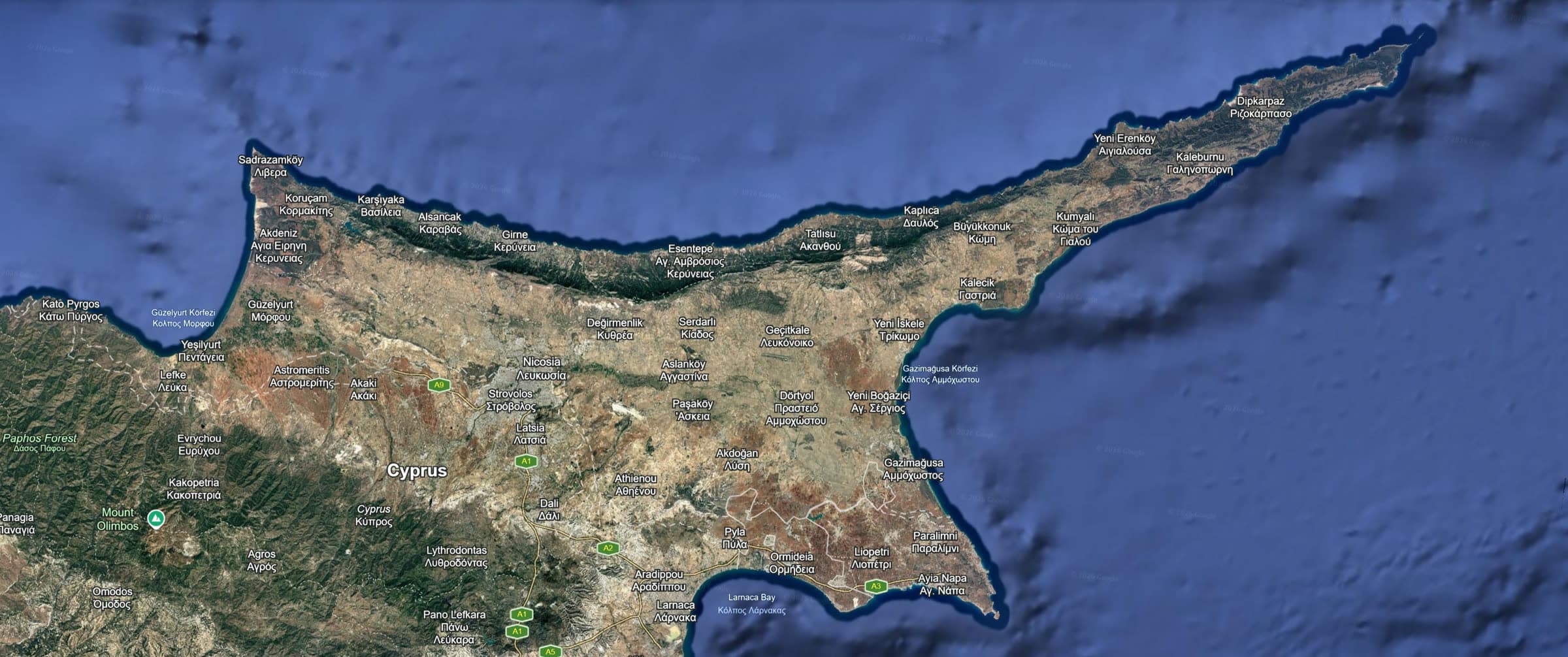
North Cyprus is one of the safest destinations in the Mediterranean. Crime rates are exceptionally low, and visitors consistently remark on how safe and welcoming the island feels. Even late at night. There are no travel warnings from any major government, and the region has been peaceful and stable for decades.
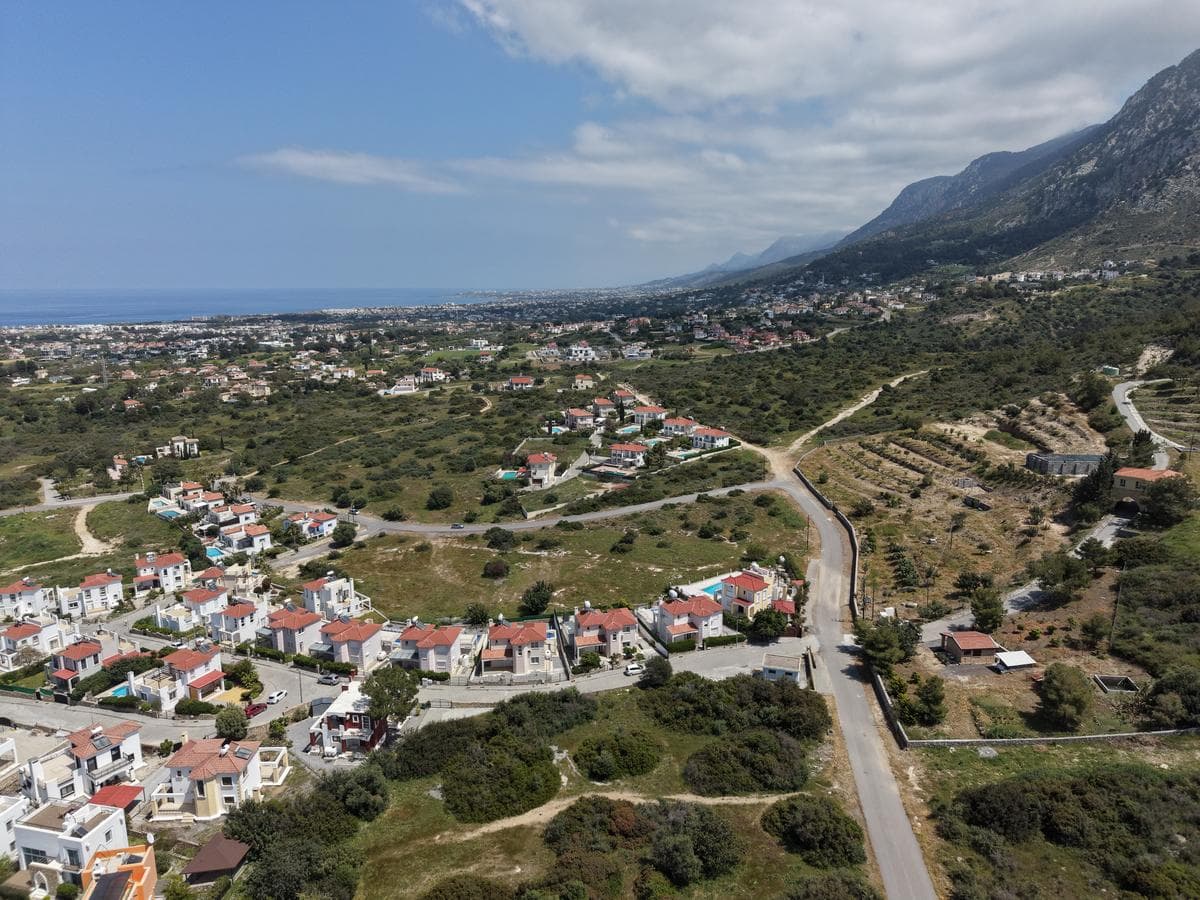
The local communities are small and close-knit. Doors are often left unlocked, children play freely in the streets, and the general pace of life is relaxed and unhurried. Whether you are a solo traveller, a couple, or a family with young children, you can feel completely at ease here.
The Turkish Cypriot people are genuinely warm and hospitable. You will be greeted with smiles, offered tea, and made to feel at home wherever you go. It is the kind of place where people still look out for one another.
A Rich Past
Civilisations Layered Upon Civilisations
Cyprus sits at the crossroads of three continents, and its history reflects that position. Over thousands of years, the island has been shaped by Greeks, Romans, Byzantines, Crusaders, Venetians, Ottomans, and the British. Each leaving their mark on the architecture, culture, and way of life.
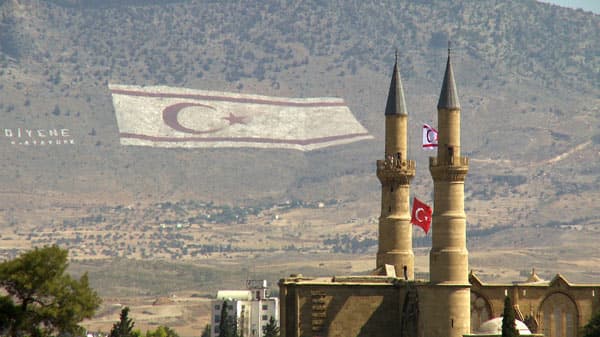
In 1974, the island was divided following a period of inter-communal conflict and a Greek military coup. The northern part became the Turkish Republic of Northern Cyprus, home to the Turkish Cypriot community. Today, the division remains, but the north has developed into a peaceful, increasingly popular destination in its own right.
The result is a place where you can walk through a Crusader castle in the morning, swim in the Mediterranean at lunch, and drink Turkish coffee in a village square that has barely changed in centuries. History is not behind glass here. It is part of everyday life.
Before You Travel
Practical Information
Currency
Turkish Lira (TRY). British Pounds and Euros widely accepted. Credit and debit cards work in most restaurants, shops, and supermarkets.
Language
Turkish is the official language, but English is widely spoken in tourist areas, restaurants, and shops. You will have no trouble getting around.
Driving
Left-hand side, following the British system. Roads are well-maintained. An international or UK driving licence is accepted for short stays.
Electricity
UK-style three-pin plugs (Type G), 240V. No adaptor needed if you are travelling from the UK. European visitors will need a UK adaptor.
Entry Requirements
Visa-free entry for up to 90 days for UK, EU, US, and most nationalities. A valid passport is all you need. No visa applications or fees.
Weather
Mediterranean climate with 300+ days of sunshine per year. Hot, dry summers (June-September, 30-40°C) and mild winters (December-February, 10-17°C).
Living Local
Day-One Tips
Get a Local SIM & WhatsApp
Everyone in North Cyprus uses WhatsApp for everything: ordering food, booking taxis, talking to landlords, even chasing the plumber. The simplest move on day one is to grab a local Turkcell SIM. The Turkcell store in Lapta (Fevzi Çakmak Cad., open weekdays 8:30-17:30) sells monthly bundles ranging from heavy data to nearly unlimited for around 800-1000 TL. More info at kktcell.com.
Eating In at the Villa
The one guaranteed, exceptional delivery option is Jashan Indian Restaurant in Lapta. Excellent curries, easy phone booking, and they deliver right to the villa. Beyond Jashan it's worth calling other nearby Lapta restaurants directly to ask. Many will deliver if you ring even if they don't advertise it.
The People
Turkish Cypriot Hospitality
The warmth of Turkish Cypriot hospitality is legendary. Visitors are treated not as tourists but as honoured guests. It is common to be invited for tea by a shopkeeper, offered fruit from a neighbour's garden, or to have a restaurant owner sit down and chat with you as though you were family.
Food is at the heart of the culture. Meals are long, leisurely affairs built around meze. Dozens of small dishes shared across the table. Fresh halloumi, grilled over charcoal. Slow-cooked lamb. Village salads with cucumbers and tomatoes picked that morning. And always Turkish coffee, served strong and sweet, with a glass of cold water on the side.
This is not a manufactured experience. The hospitality is genuine, the food is honest, and the pace of life is refreshingly slow. It is the Mediterranean as it used to be. And in North Cyprus, it still is.